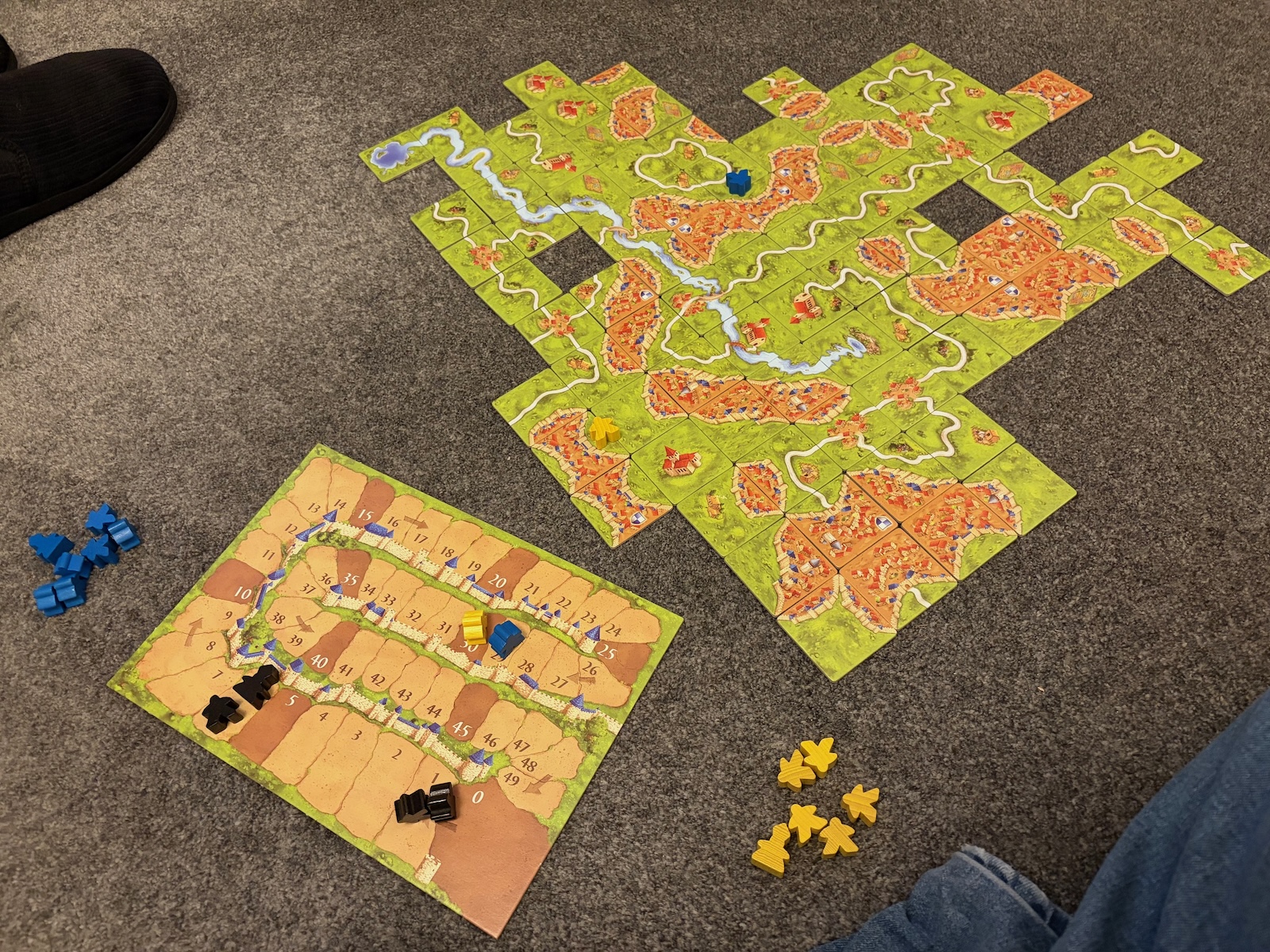
Tim actually had a huge 22 point town early on in the game, and I thought I’d lost it.
However, I think a sneaky two-men-in-a-field meant I caught up.
We had to use the black meeple as 50 counters. It’s not clear why the game doesn’t give you them.
We played with the River expansion, which I feel makes the start of the game more interesting: forcing a shape and many options.
We also properly read the Abbot rules this time and realised that you can optionally pick up the Abbot on turns where you’ve not played a meeple. That adds an additional ‘push your luck’ excitement when deciding if you should stick with your investment or pull out early.
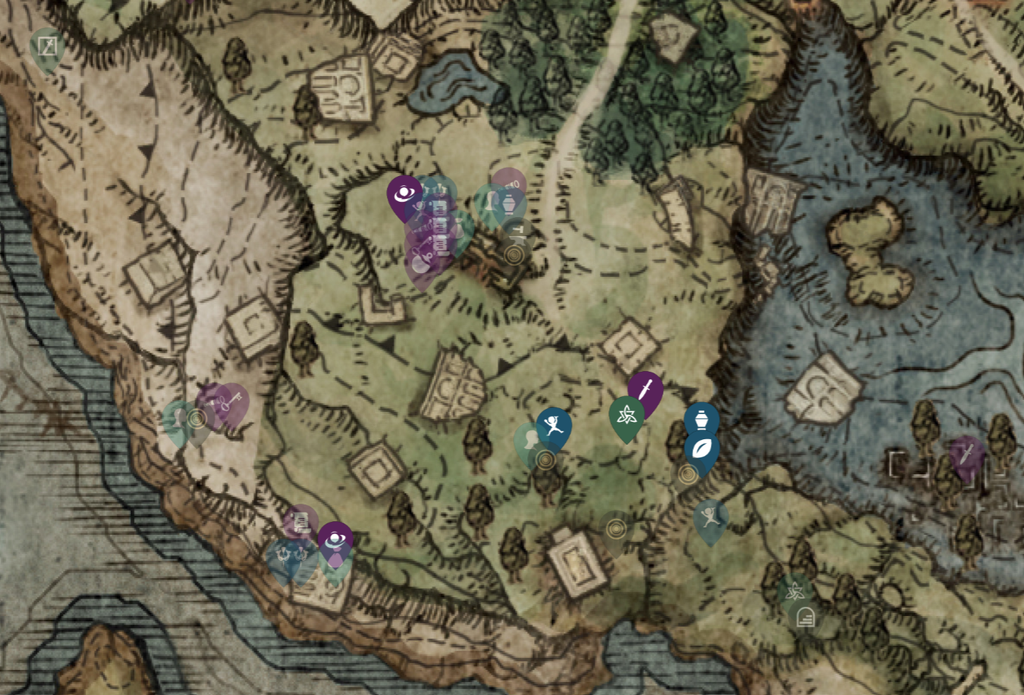
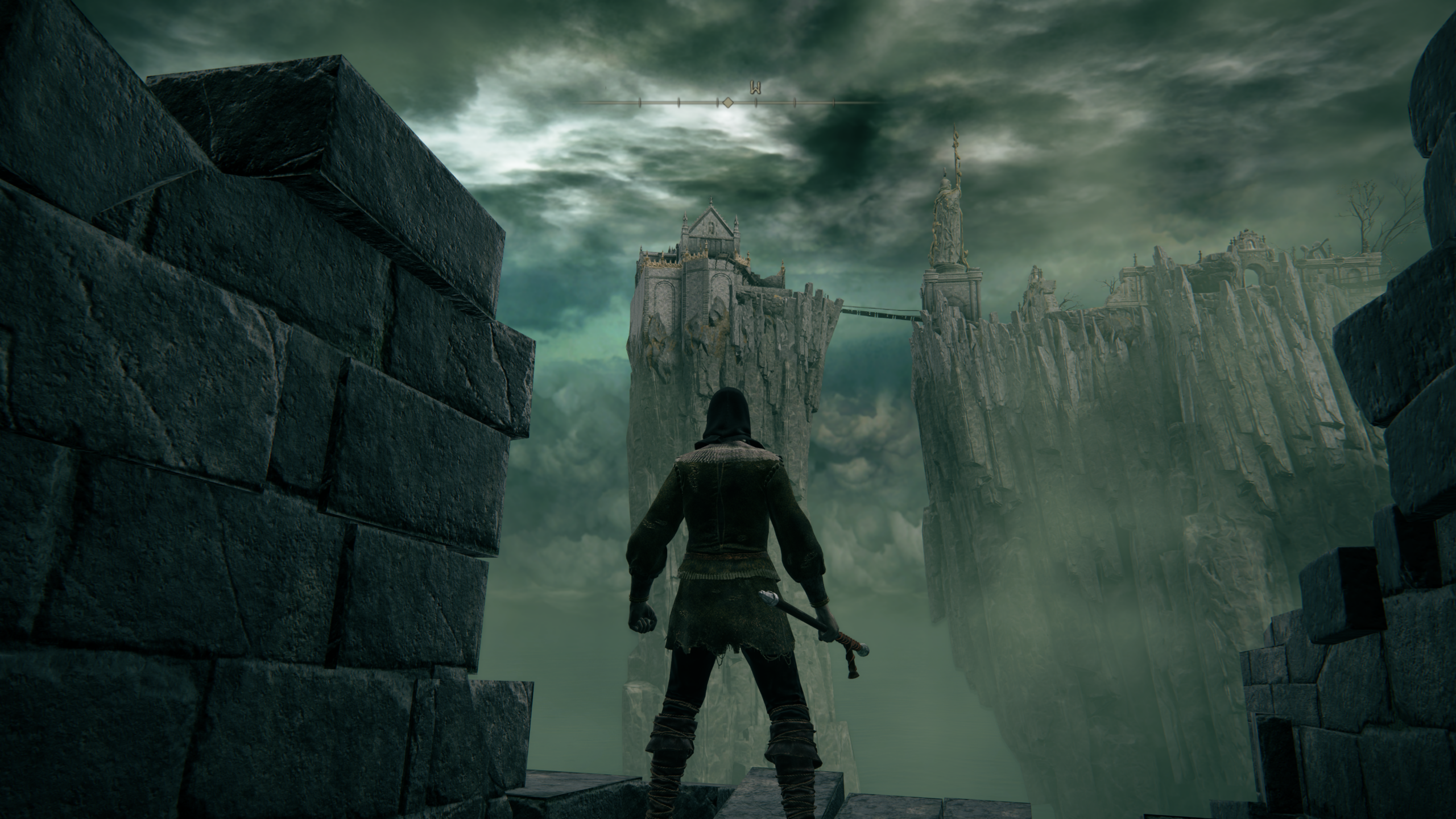
I’ve started using an Elden Ring Map. I even plumped for the paid version ($8?) which meant it would ditch the ads and let me store filters and progress.
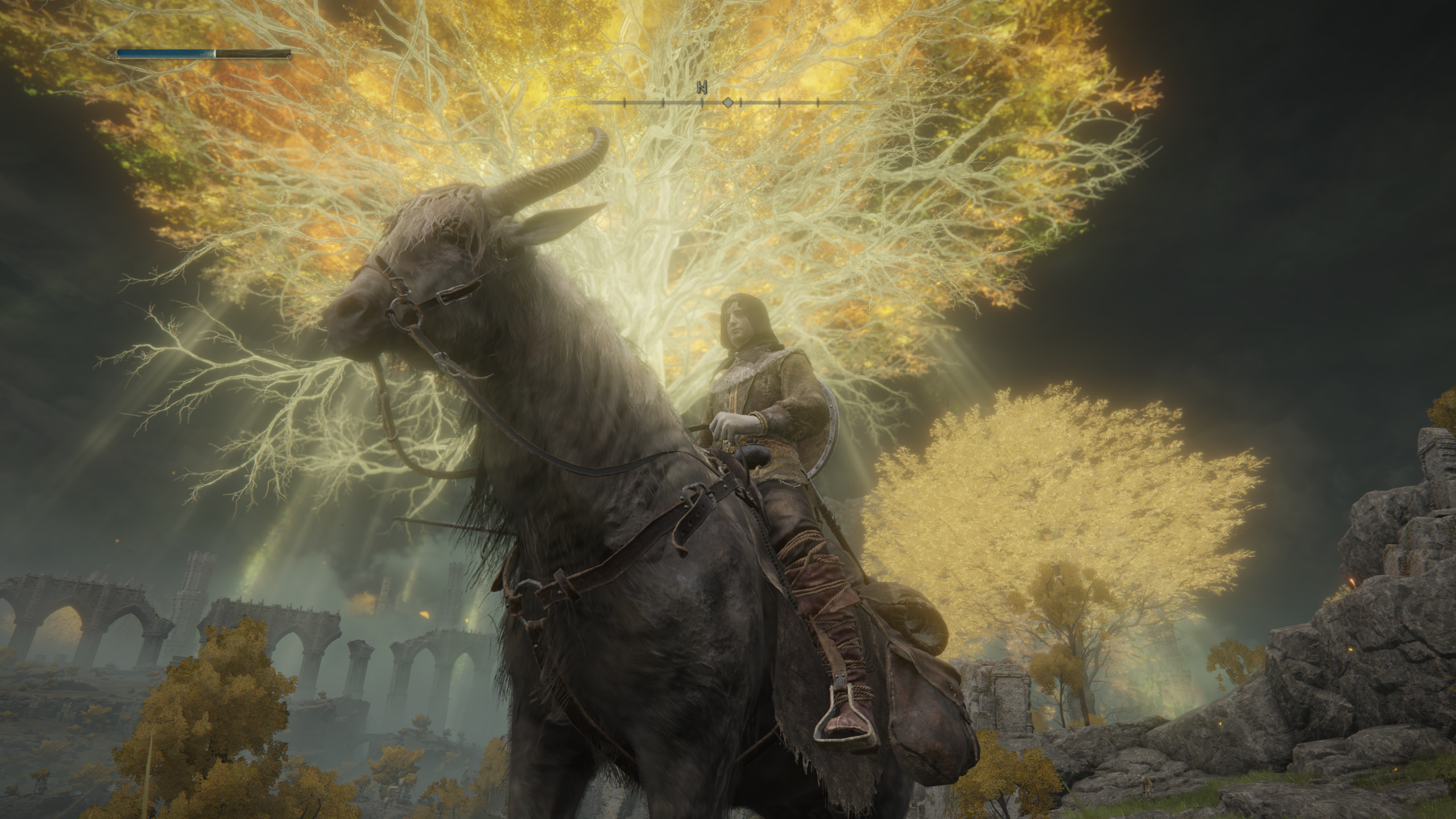
Like I mentioned in a previous post, this game just hands itself to you and suggests you get on with it. The main form of guidance is “follow the light from the grace” but that will get you killed.
This map has been super useful. For one thing, I completely missed the lady who sells you extra spells who is quite near the starting area. As a spell caster it’s quite surprising that I’ve survived on just these two starter spells until now.
(Quick aside: even though I have more spells, it seems the game is built nice enough that the pebble and arc are not “starter spells”. They’re still great at what they do. The other spells just do different things. Very good design!)
The map has made me a better player. I’m finding – and of course still fighting for – the bits and bobs that make the game more fun and interesting. Cave mouths I completely passed by for the first 30 hours are obvious to me now!
I have discovered that Elden Ring is actually a very good Podcast Game. This is a game where you can sort of zone out and listen to podcasts. I usually have a backlog to listen to, so it’s nice that this game fits so well into that.
Mostly, I think, because it’s a grindy game of dying and then recollecting and making more runes to level up with. There aren’t many audio queues, so the muddied sound isn’t an issue.
I haven’t played Elden Ring in quite some time – I think Steam said it was early 2025 when I played last.
At that point I had clocked 40 hours in the game, and only three achievements.
This is a hard game and I am not good at games.
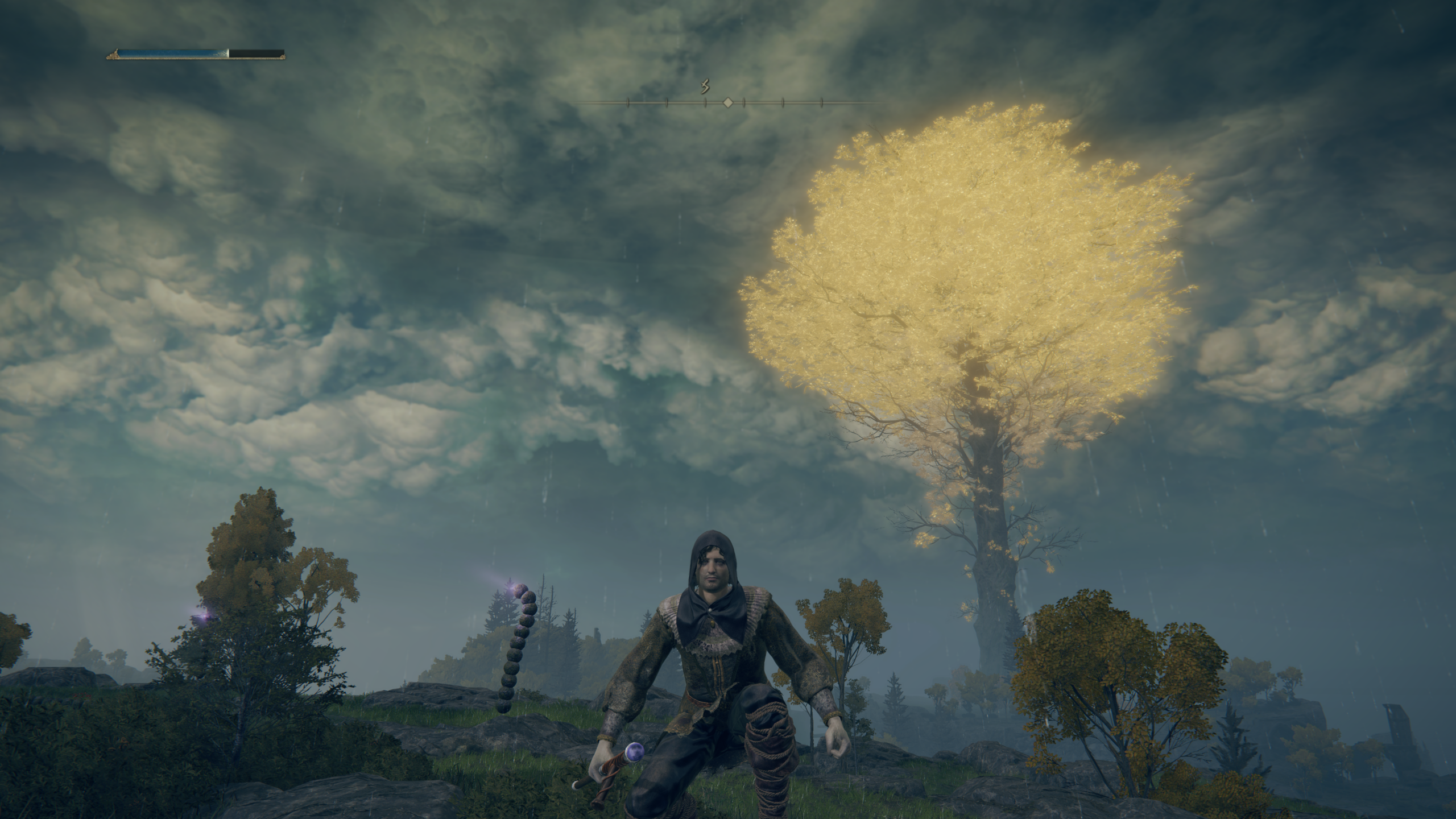
I decided to start playing from the start again as I didn’t really remember anything. This time around I’m playing an Acolyte (though, I’m not entirely sure how much the class names matter, other than starting gear and stats), using magic (Intelligence) and a rapier (dexterity).
Lots of spamming the starting pebble spell and then finishing off with the rapier when I run out of magic.
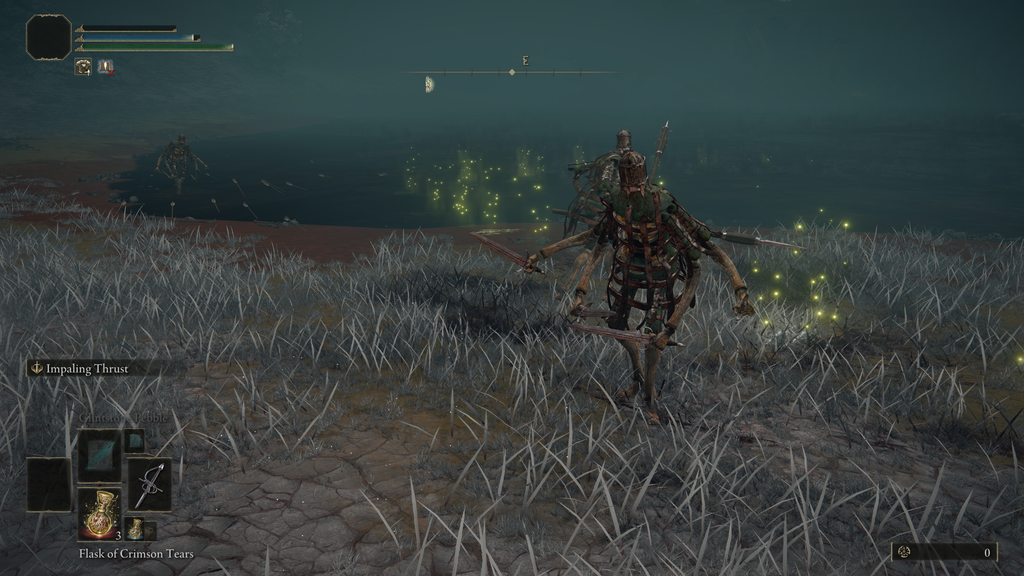
Elden Ring is a game that sort of just plops you in a world and then gives you very little guidance anything much at all. That, at least for me, includes the story too. But the mechanics are barely explained either. I was given a cool jellyfish, but no way of using it. Nothing told me that I couldn’t use it, it just wouldn’t work. There was no sign posting that I need a cool bell first. The bell came to me eventually, but I have no idea what triggered that happening.
I’ve been collecting talismen as I’ve been going around but only just in the past half an hour realised they were equip-able. There’s no guidance telling you how to use them.
In some ways the game is actively hostile to the player understanding what’s going on: there’s no way to compare items, like those you’re looking at in the shop, with what you currently have equipped. There’s no way to tell what the status symbols mean. They’re not mentioned anywhere in-game.
Although that sounds quite negative, it’s quite an experience that for the moment I’m enjoying.
Combat is genuinely difficult, but in a way that makes me feel like it’s my fault, rather than the game. That’s a good thing. Hopefully I’ll get better as I practice.
Once you accept that the game loop includes grinding (fighting the same, respawning bad guys over and over again to get XP) then even death becomes okay. Sure, you just spent ten minutes fighting through the hoards, and now you have to do it again but that’s sort of the game. If that’s not what you want to do, then take a break and play something else: it’s what you’re going to get otherwise.
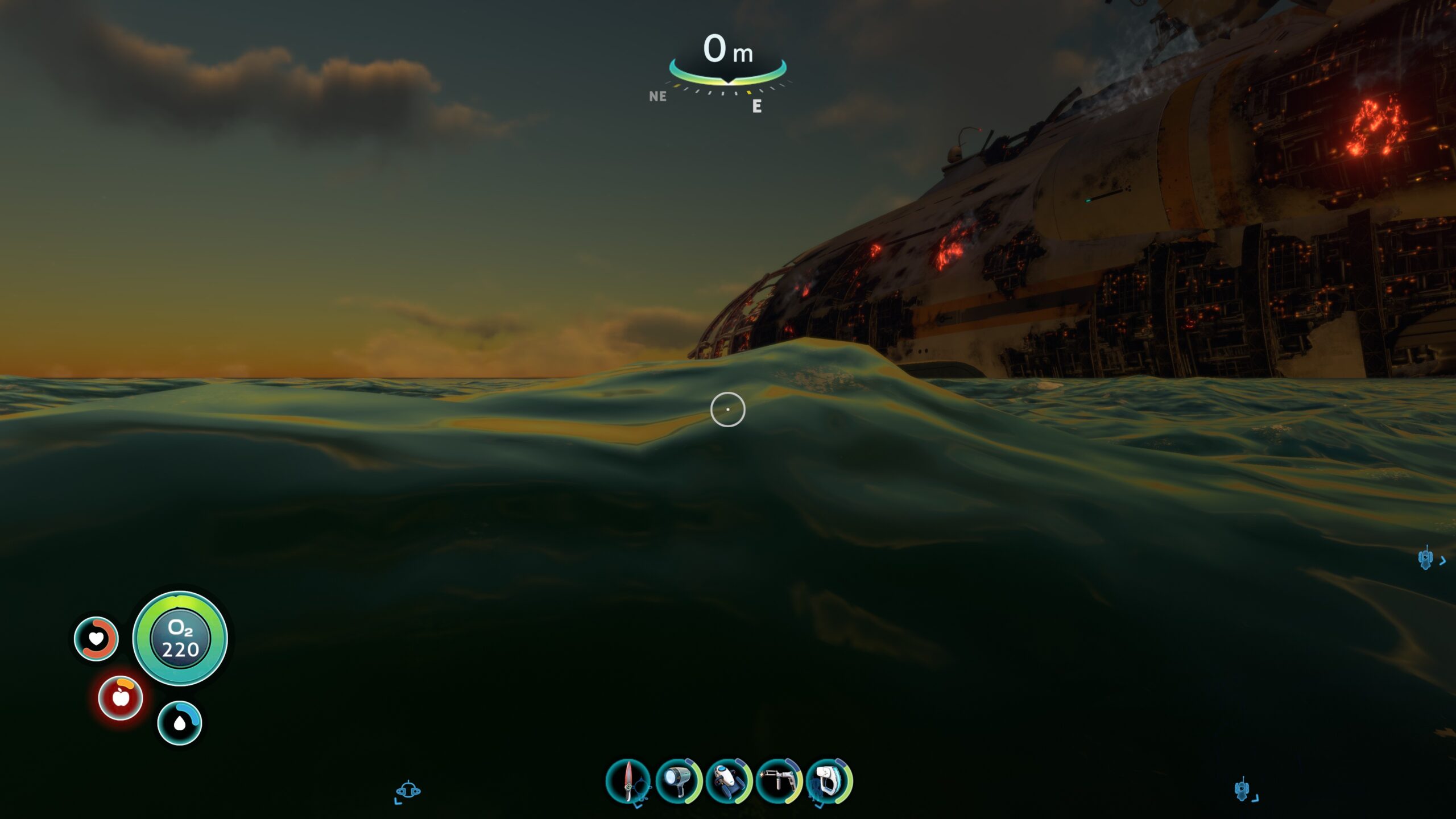
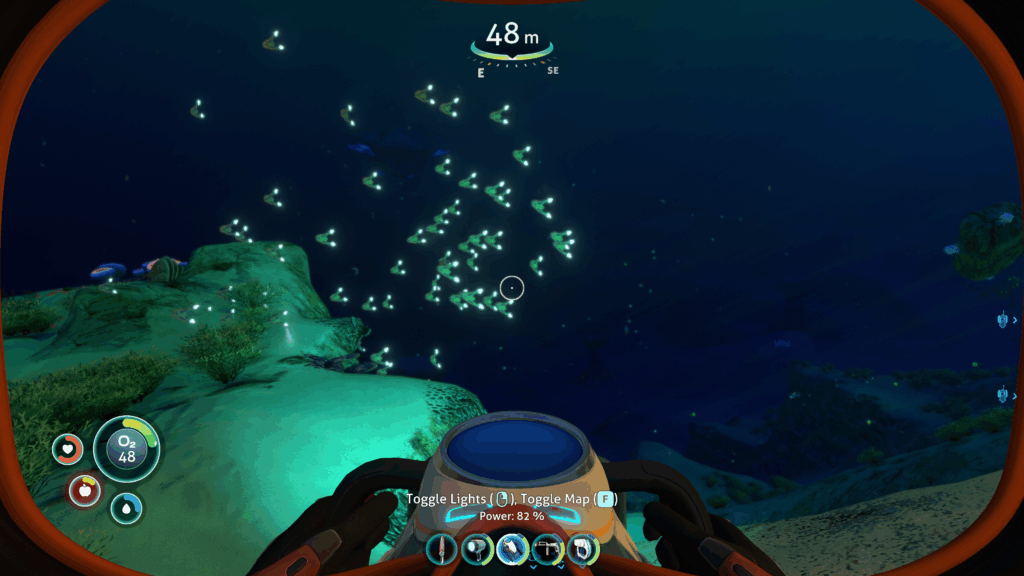
Subnautica 2 has been announced, with its playable early access coming out soon, and so I wanted to play through the original again. It is nearing its eighth birthday but isn’t showing any signs of it. Having just spent another 24 hours to complete the game, I’d say it remains one of the best video games ever made.
2018 was a bit of a boom year for survival crafting, a genre of games that were being churned out because of the unending success of Minecraft. Games like Rust, Don’t Starve, The Forest, No Man’s Sky, DayZ, and Ark: Survival Evolved were all hugely popular, and (at the highest level) all fit into the same loop: hunt and gather around an open world in order to build yourself a better base, unlocking a tech tree of more complex gameplay mechanics.
These games all feature more mature themes than their Minecraft and Terraria predecessors though. They’re often gritty and more deadly. Subnautica shares that darker tone. Whilst many games in the genre will dial up mortality to make a game thrilling, Subnautica seems to have dived deeply into researching the psychology of fear and added that forbidden fruit into the game. In fact, in one part of the game, your sole companion (an AI that helps you understand your surroundings) will happily tell you, “matches 7 of the 9 preconditions for stimulating terror in humans”.
How safe is it to venture into that darkness?
There are jump scares, but they never feel cheap, and are often caused by you not realising how close you were to danger. Mostly, the atmosphere is built up with brilliant level design that still grips me even after playing for multiple days now. Gaps of dead space in the map, where your light has stopped touching anything, always leave me wondering if I’m on the right track, or wondering into the deadly end of the world. Should I push on? How close was that under-sea roar just then?
The Metroidvania style content locks are there but much more organic. There are a few literal moments of “you need the blue key”, but the much better designed parts of the game involve the tense feeling of “am I pushing my luck too far?” Each moment you’re underwater, your oxygen level is ticking down. You may see a glint of something interesting on the ocean bed, but can you reach it? Later, you’ll get upgrades to that oxygen tank, but maybe you can reach it without… There’s a bunch of excitement that comes along with this and the game is well aware: building terrain designed to turn you around and become cramped.
Closer to the safety of the surface, the story is different. It is not all stress-based fun and often the stakes can be completely removed. Whilst base building, it can often be a peaceful experience. The ocean, when not trying to terrify you, is a beautiful place. It is filled with life, both as huntable food and meddlesome pests. Trying to find resources can sometimes be tedious, but that’s part of any crafting game’s milieu. My advice here is whenever you have spare inventory space, you may as well pick up that mushroom or seed. You can always chuck ’em later if you need the space for something else.
Progression feels fantastic in this game, with each bit of gear making something easier. Unlocking the recipe for a new item often comes with the excited realisation that you can reach an inaccessible part of the world now.
I’ve not yet mentioned the story, but that’s not for lack of quality. I enjoy this story a great deal, and finished it eager to learn more about what happened on the planet. After eight years, it seems silly to want to avoid spoiling it, but I’m not going to. The basic premise is a well trodden path for survival games though: you’ve crash landed with very little, and you’re to start from scratch to get back off the planet. The problems along the way are interesting though and don’t feel like they’re there to just add content.
The final act of the game is a little annoying though: a fetch quest from many biomes. It seems the developers knew this was a frustrating ordeal though, and give you another game mechanic to overcome that. It’s an odd choice though. “We know this is frustrating, here’s something to help.” This felt like a conflict between the story writing team and the game developers.
I am always keen to play a game the way the developers intended it to be played, and so this most recent playthrough was on Survival Mode. Another mode is Freedom Mode, which is the same as Survival except that the eating and drinking mechanics are removed from the game. In future runs, this is the mode I’ll be playing. Finding water and food isn’t difficult in this game, and at later stages becomes so simple as to just be a chore. The sustenance system adds nothing to the game, to be very honest about it. It does not increase difficulty, it does not alter the story, and offers no bonuses. To boot: you can still get Steam achievements. I’d suggest playing Freedom Mode.
Other than that, this is not a difficult game. The large creatures are heart stopping when they come near you, but can be easily avoided if you’re not trying to attract attention. The most difficult part of the game may be mapping: refinding an area you know exists but can’t remember how to get to. Make use of the in-game tools that help with that, and there’s not much “skill” required except persistence. I only say that to dissuade people who think this looks like an intimidating game: it is still very rewarding to work through.
I’ve now played the game for over thirty hours – completing it twice. As an older game, you can often find it on sale (as it is right now on Steam) for less than £10. That’s a fantastic deal. Even at full price – around £25 – this game is a bargain.
I really believe this might be one of the best video games ever made.
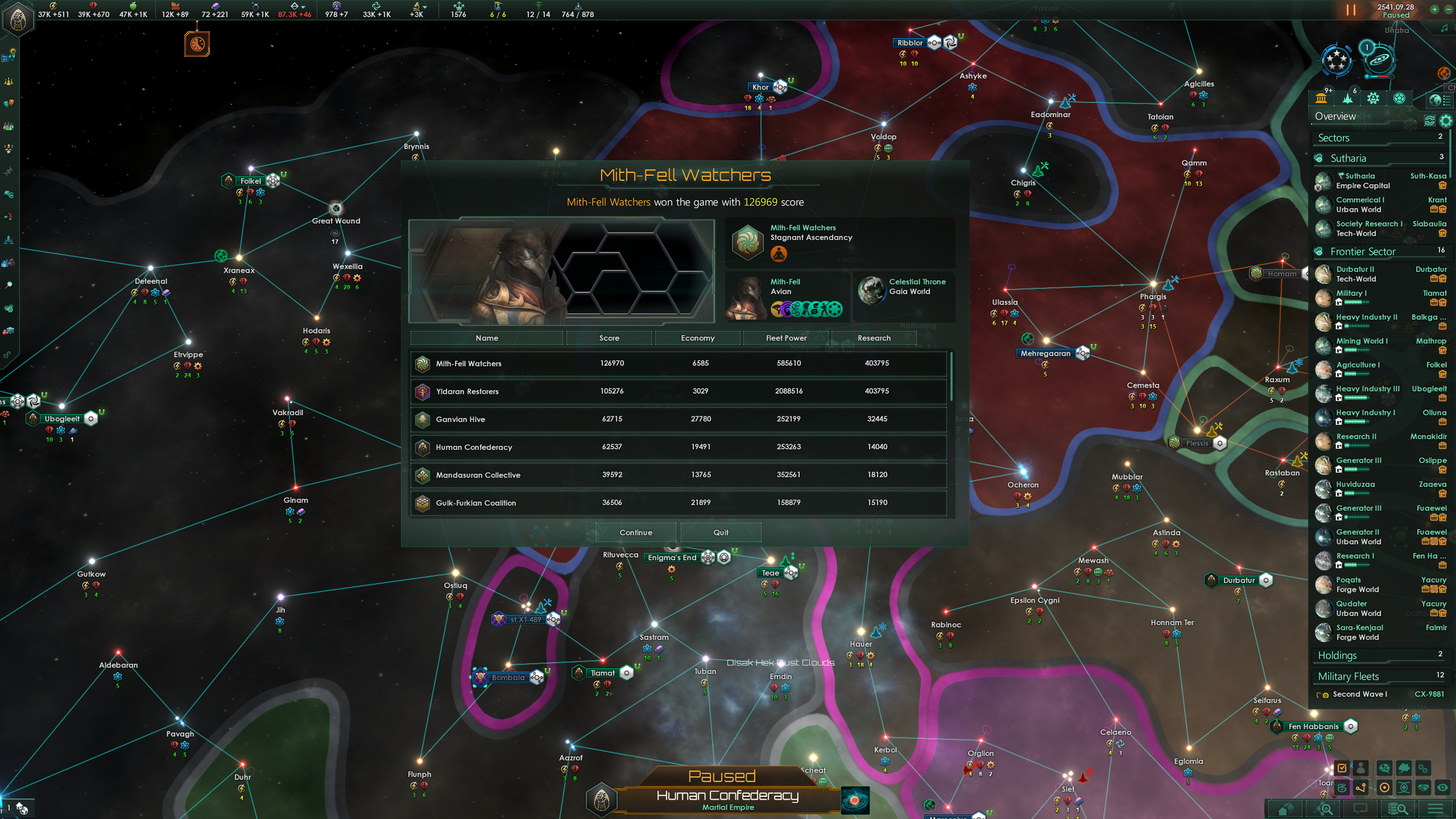
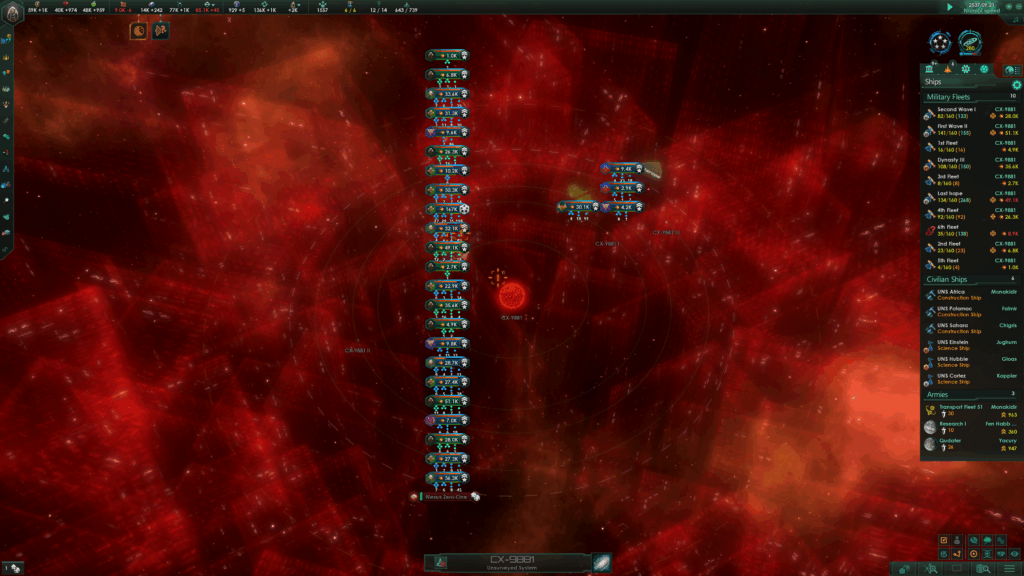
I learnt a lot in this run through. The Contingency were kicking my butt. But then I realised that you can press the ‘Take Point’ button to call upon allies.
After that, it was quite easy! I did have to heavily invest in winning this war though; using an Acendency Perk to get the damage bonus.
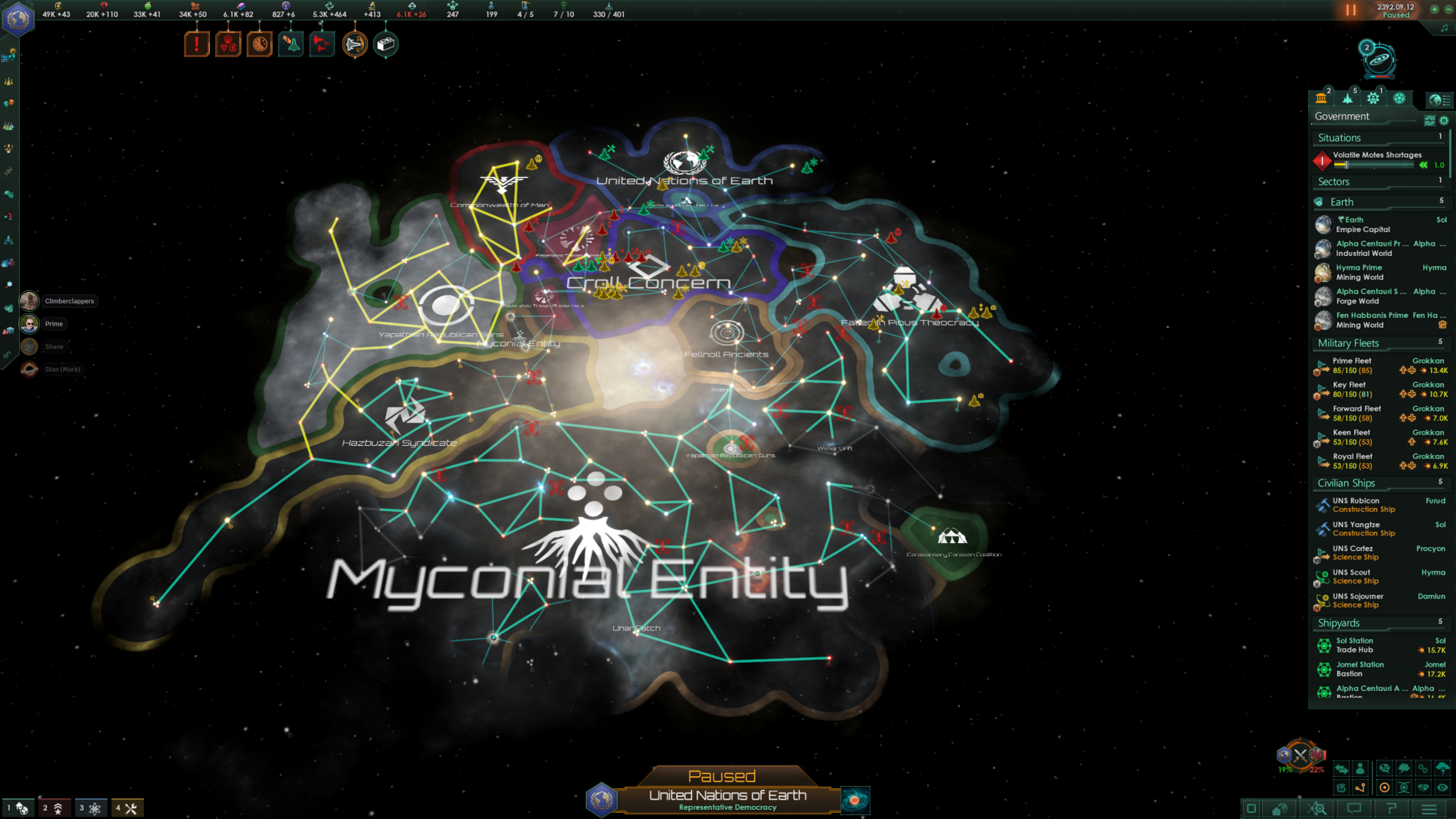
I didn’t go full Angry Mode this time. I decided to do some diplomacy and it was much easier to take control of most of the galaxy that way.
I’m excited to start my next run with a few more DLC. I bought some more in the Steam Summer sale.
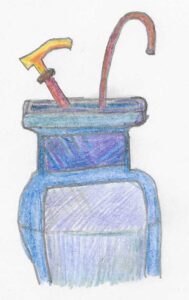
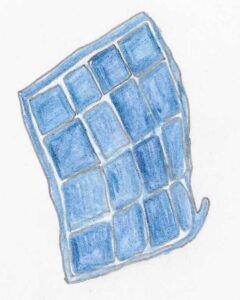
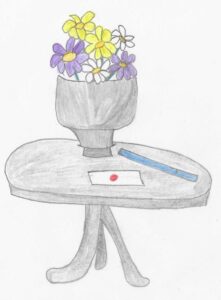
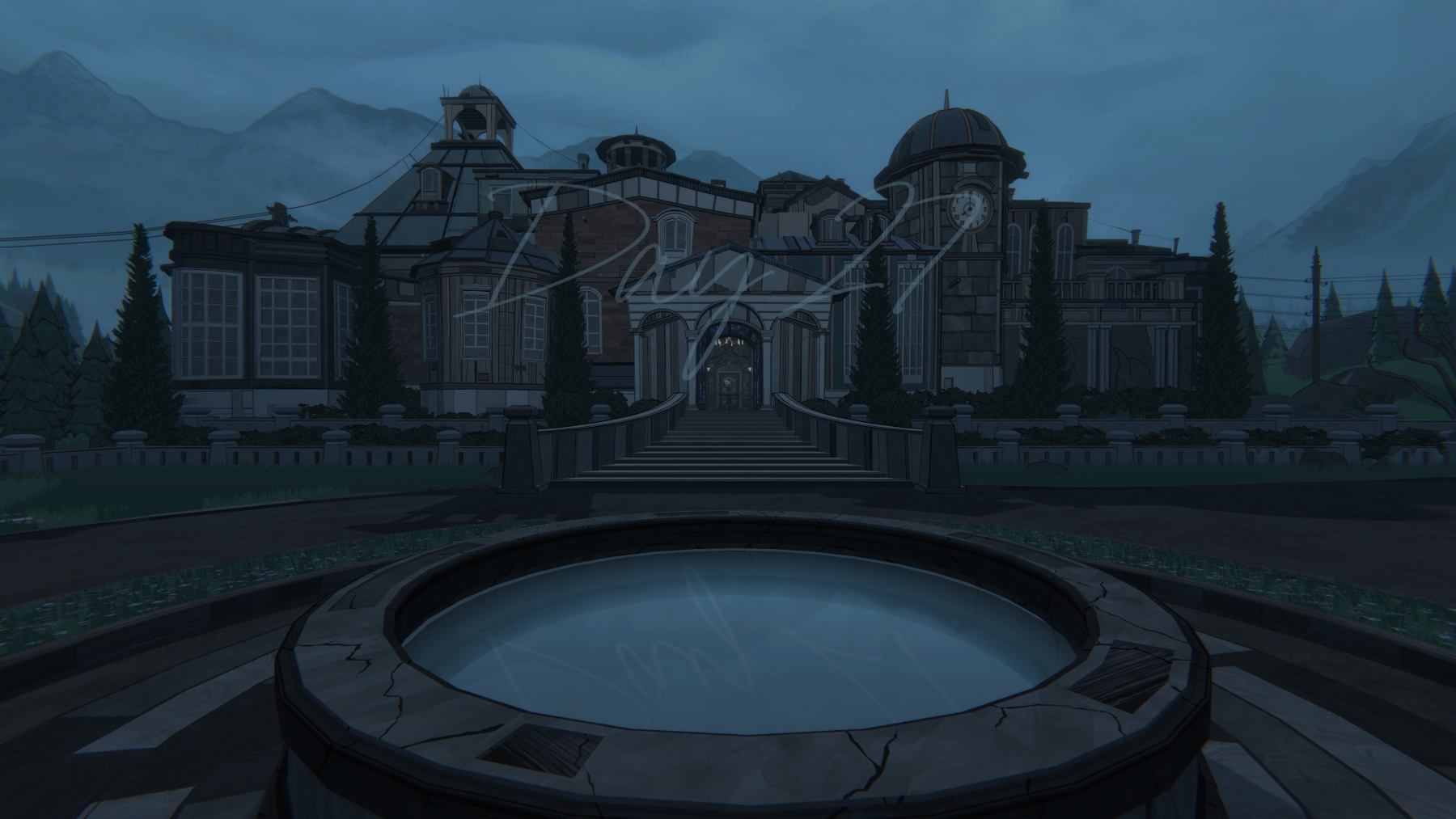
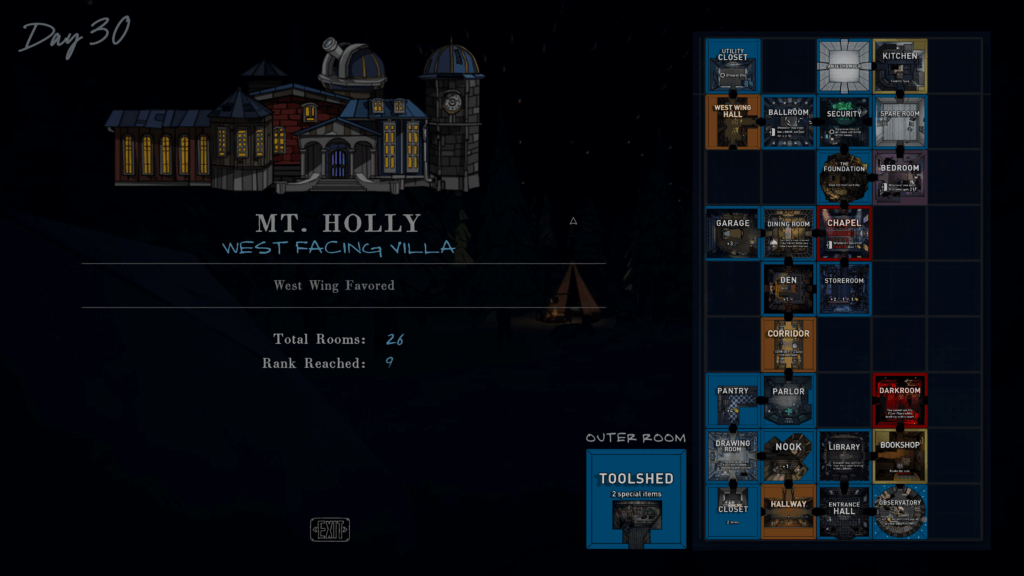
Blue Prince came out only in April with a pretty big flash. It seemed like everyone was playing it (and indeed it peaked on Steam with 20,000 players playing at the same time) and everyone was tlaking about i (mentioned acorss mlutiple episodes of The Besties). That peak seems to have died down now, and there feels less of a need to preface every conversation with “no Blue Prince spoilers!” whenever the topic of what we’re playing comes up.
So now seems like an alright time to talk about Blue Prince in a spoiler-lite way, specifically to the people who haven’t yet picked it up.
Like Animal Well, much of te fun of the game comes form the initial diving in and trying to understand what’s going on. Going in blind is the best way to Play Blue Prince, then toiling away at its puzzles by yourself for a while is highly satistfying. Before going any further, if you haven’t played it yet then I suggest you stop reading and go and see if you like it. It will be worth your time. I’ll be talkinga bout some fo the mechanics here which might steal a bit of joy. On the ohter hand, if you’re after a nudge to play it without all the uncertainty (without any strong spoilers) then read on.
The main aim of the game is to reach Room 46, a condition of your inheritance of the manor the game takes place in. I’ll mention this now, and again later, but there’s no time limit on how long you have to secure your inheritance. Go at your own pace.
The game is ostensibly a puzzle game, whose short-story you’re learning from artifacts rather than exposition. You’ll find notes around the house which will make little sense until you connect them with another note or portrait or photograph. If you like ergodic literature like S. (Doug Dorst, a book I never pass on an opportunity to mention) or House of Leaves (Danielewski) then you’ll find this scratching the same itch.
Some of these notes are out in the open and some of them are hidden behind well crafted puzzles. Very much like escape rooms where one immaterial letter from on part of the house suddenly becomes quite important when you realise its true use. This is definitely a note taking game; I made heavy use of Steam’s screenshot feature. The puzzles range from being quite obviously solvable (there is a room with a literal logic puzzle), to rooms where the puzzle seems impenetrable. The delight of the writing in this game is that those impenetrable puzzles will become explain within the game if you’re on the look out for them. Before looking up the answer to a puzzle, I found that focusing elsewhere for a while usually meant its solution is explain to me somewhere in the house.
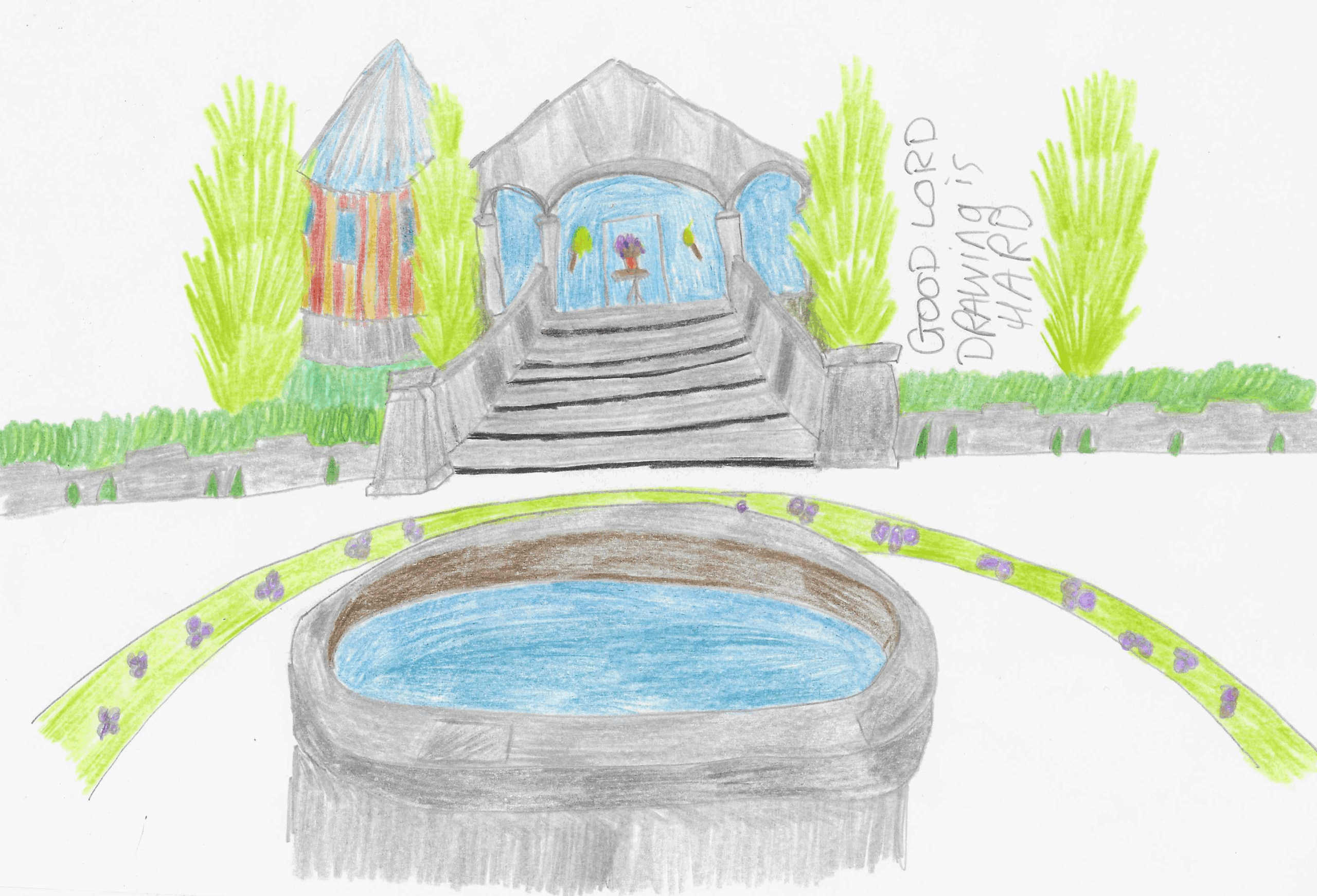
The core mechanic of the house itself is a mixture of the deck-building of a Slay the Spire style game and the semi-random map building of a Carcassonne. As you enter a room, you’re shown three options for what room could be ahead of you. Each room has a quirk or reward and (most importantly) a varying number of exists to the next room. You’re to place these room tiles in such a way that you don’t block yourself in by closing off your path to get to Room 46. Or, maybe you want to risk blocking off this path because this dead-end room has a few items that will come in handy later.
Like Slay the Spire, it’s hard to know exactly what kind of play through you’ll be doing on a particular day. It depends on the cards you’re dealt. If you’re drawing lots of green cards, you may want to focus on methods of making those more lucrative. The randomness is considered a large fault of the game by many – including me when it felt like I was fighting the RNG to achieve of combination of rooms that never seemed to come up.
It’s not as bad as just rolling a dice though: your deck is largely fixed, with only minor adjustments being made to it throughout the whole game. There are also ways of tilting the TNG in your favour. The “West Hall” for instance only appears in the west of the house. As you play, you’ll want to watch out for patterns like that – there are a number of them. As mentioned earlier, give it enough time and the game will let you into these clues if you don’t manage to solve it yourself. (It will do this quite obviously – so don’t worry you’re missing a clue.)
The game is played in ‘days’, which end when you get blocked in or you run out of ‘Steps’ for the day. At the end of the day, the house resets, ready for you to lay it out again. Only this time you’re hopefully equipped with a little more information or maybe a perminant perk that changes how you’ll play. It’s the iconic “one more turn/day” loop that’s so addicting in Civilisation games. Each day probably won’t run you more than half an hour – unless something is going really well for you on the run.
Like I’ve said already, the game makers will sometimes hint at some time constraint or peril. I described the game to two ergodic books earlier, and those both have some mild peril lingering throughout. This game wanted to have that feeling too. Unfortunately, the feeling doesn’t add to the game at all and from what I’ve seen never actually come to fruition. There’s a particularly spooky thread that doesn’t go anywhere and feels like the writers may have just forgotten to remove it from an earlier version of the game. The game lives in a place of revelled curiosity, and certainly not stress. You can set the controller aside, unpaused, with no impact. You can play for many in-game days and never be locked out of a puzzle or story through line. Play at your own pace. The game is one of the few games I play which works both as a “podcast game” – where full focus isn’t required to continue having fun – and as a “thinking game” where you’ll be taking nots and mulling them over.
I was deeply into this game, and still think every hour was joyfully worth it. I will say that once I got to Room 46 it felt a bit like an end for me, even though the game can continue to be played. I’ve had my fill, for now at least. I’ve heard from many people who are still playing it though, long after they reach the story’s conclusion. There are plenty of puzzles to unlock and keep working on. Justin McElroy said it best: “Play til the end, then one more day, and you’ll know if you will keep playing.”
I think I’ll go back to it eventually – especially if my friends keep excitedly talking about it.
This is a rogue-lite puzzle game, where you pick what’s going to be in the next room as you’re entering it (like Hades). You collect items which help you do slightly different things each run. There’s no combat and you can leave the game sitting there are ages whilst you eat some lunch and come back to find it exactly as you left it, even unpaused. It’s a very good podcast game, with the occaisional puzzles which might require you to pause to pay slightly more attention.
Like all these “play and play again” games, it’s slightly different each run through. A new thing is added each time you start, so the feeling of “just one more round” is very present.
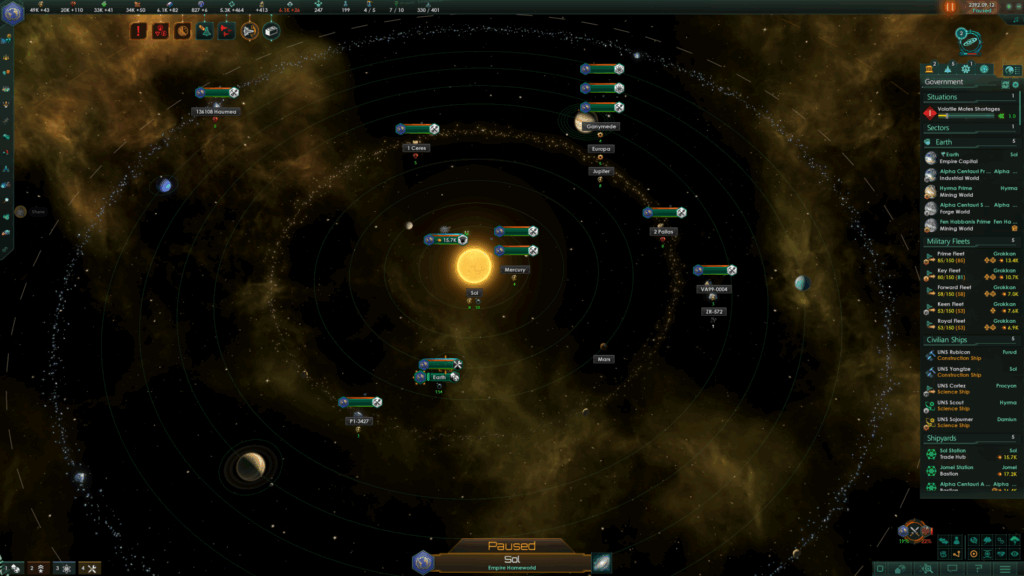
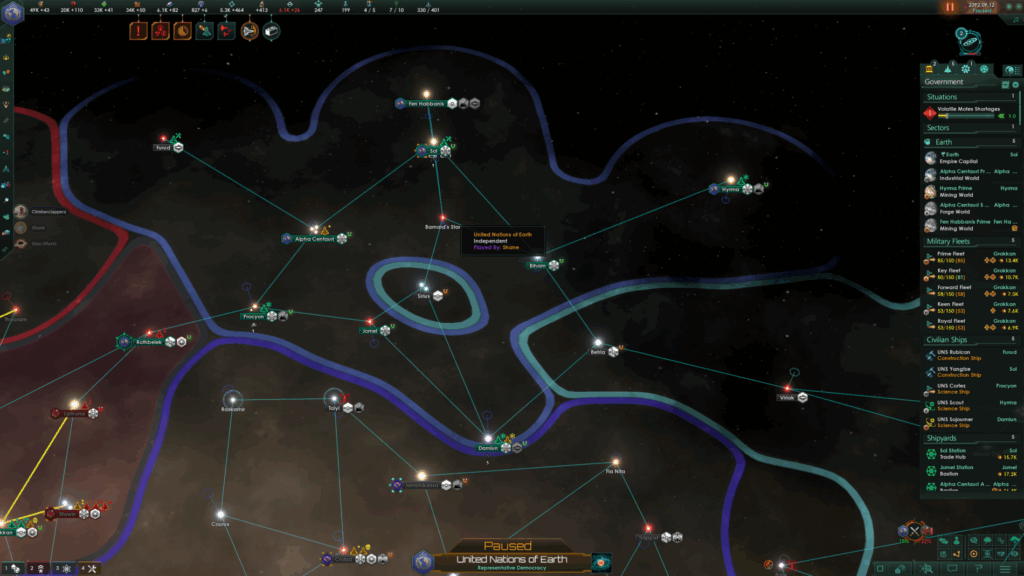
Tonight was the third session (which included two cidres, so bear with me) of Stellaris, playing with some friends in the same game.
The first two sessions I was madly clicking around. The game happens so fast, and there’s so much going on. I was randomly clicking research and just throwing buildings onto planets.
This session, I thought I was about to lose, so decided to take it slower and try to claw something back.
It’s getting better for me!
Since I was randomly selection research, there were loads of very low point research projects for me to do. I think I’ve caught up a bit because of that. I’ve paid more attention to the perks of each leader. Fine tuned things. Doing well, I hope.